

Non-stick Dosa/Tawa Pan
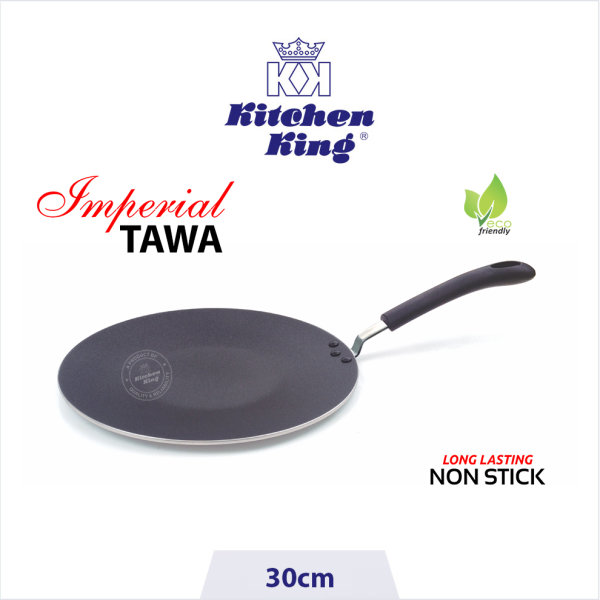
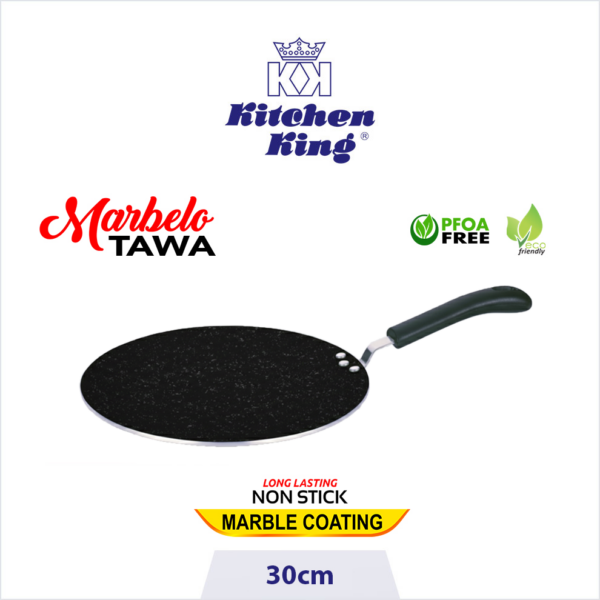
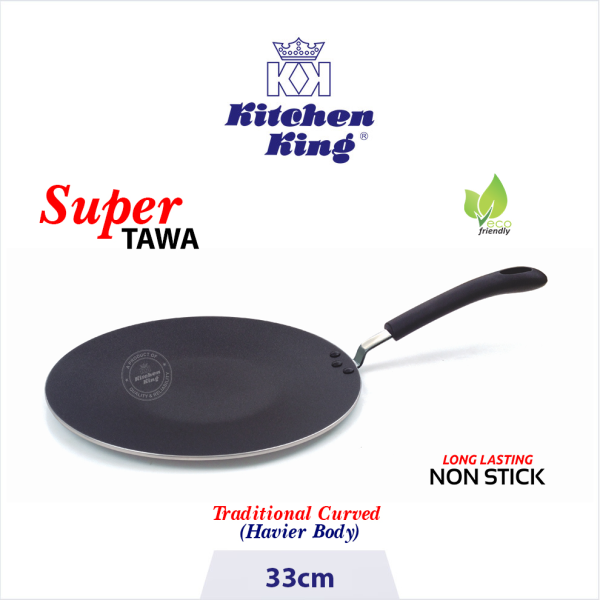
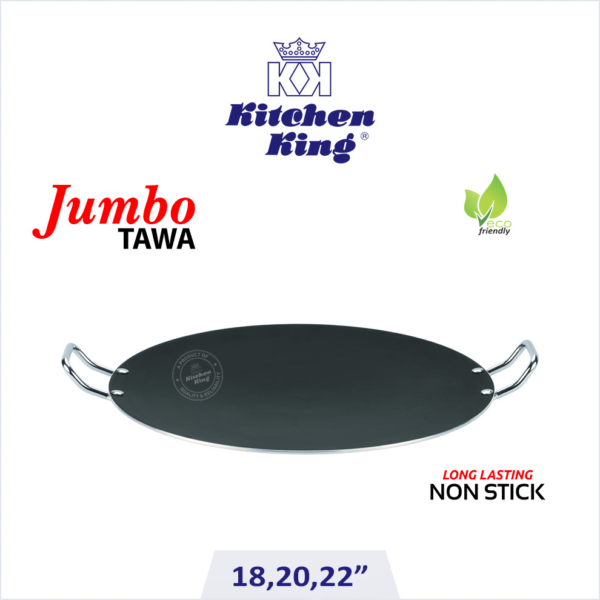
Non Stick Dosa / Roti Tawa – Large Comal
Price range: $90 through $112A tawa. A comal. A griddle pan. A crepe pan. Different names, different communities, the same essential shape — a flat, round, nonstick surface built for cooking that needs even heat and a clean release, not a deep pot or a curved wok.
For South Asian households across the USA, the tawa is a daily-use pan — roti, chapati, and paratha need a flat surface that heats evenly so the bread cooks through without burning at the edges, and dosa batter needs a surface it can spread across thinly without tearing or sticking. For Latin American households, the same shape does the work of a comal — pressing and cooking fresh tortillas, toasting dried chiles and spices, and warming tlayudas. For anyone making crepes, quesadillas, or a large batch of pancakes for a family breakfast, the same flat surface and even heat matters just as much.
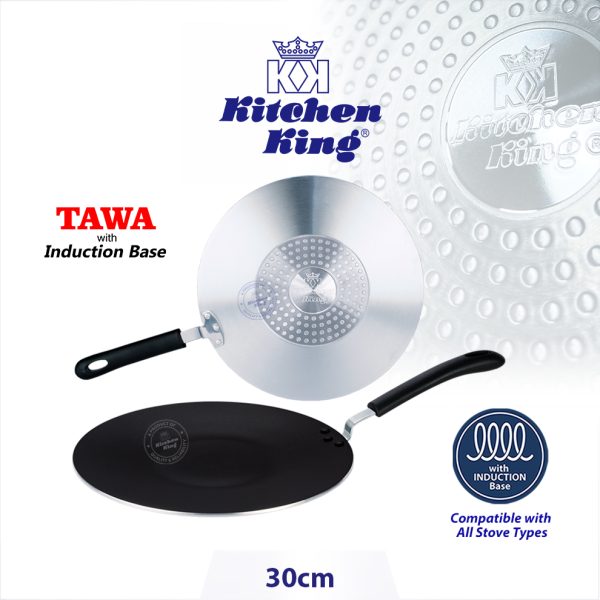
Kitchen King's tawa and comal range is built from heavy-gauge aluminum with a PFOA-free nonstick coating, available in sizes from everyday 12-inch pans up to our 22-inch Jumbo Tawa — one of the only large-format nonstick comals available direct-to-consumer in the USA, built for big families, catering, or restaurant-volume cooking. Every size is compatible with gas stovetops, and our induction-compatible models work equally well on modern electric and induction cooktops.
Making your grandmother's roti recipe, pressing fresh corn tortillas, or trying crepes for the first time, the right flat pan changes the result. Free shipping across the USA.
Why Choose Kitchen King’s Nonstick Tawa?
- Superior Quality: Made of premium materials for exceptional durability, strength, and long-lasting performance.
- Even Heat Distribution: Ensures perfectly cooked rotis, dosas, and parathas every time — no hot spots or uneven browning
- Premium Triple-Layer Nonstick Coating: Engineered for ultra-smooth cooking and minimal oil usage
- Easy to Maintain & Clean: The smooth edges and non-stick surface make cleaning quick and simple.
You can get the best nonstick tawa and hotplates in a range of sizes at Kitchen King Cookware. Experience effortless, healthy, and fast cooking. Expertly designed for making a variety of flatbreads, such as roti, chapati, paratha, and dosa. What makes our tawa to stand out is the use of a superior nonstick coating and a durable, food-safe build.
FAQs:
Q: What is the difference between a tawa and a comal?
A: They're functionally very similar — both are flat, round pans designed for even heat and a clean release. "Tawa" is the term used in South Asian (Indian, Pakistani, Bangladeshi) cooking for roti, paratha, and dosa. "Comal" is the term used in Mexican and Latin American cooking for tortillas and toasting ingredients. Kitchen King's flat nonstick pans work well for both uses.
Q: What size tawa or comal should I buy?
A: For daily cooking for 1-4 people, a 12-inch tawa is the standard size. For larger households or making multiple rotis or tortillas at once, our 13-inch Heavy Duty Tawa gives more surface area. For big families, catering, or restaurant use, the 18-22 inch Jumbo Tawa is built for high-volume cooking.
Q: Is a nonstick tawa good for making dosa?
A: Yes — a smooth, nonstick surface makes it significantly easier to spread dosa batter thinly and evenly, and to release the dosa cleanly once it's cooked. Preheating the tawa properly and keeping a steady, moderate flame (rather than high heat) gives the most consistent results.
Q: Can I use this tawa for tortillas or comal cooking?
A: Yes. The same flat, even-heating surface that works for roti and dosa works well for pressing and cooking fresh tortillas, warming store-bought ones, and toasting chiles or spices.
Q: Does this tawa work on an induction stove?
A: Kitchen King's Induction Tawa (12"/30cm) has a conductive stainless-steel base specifically designed for induction and electric glass cooktops, while also working on standard gas burners. Our standard aluminum tawas are designed for gas and electric glass stovetops.
Q: What's the difference between a tawa and a crepe pan?
A: They're very similar in shape — flat and low-sided. A dedicated crepe pan sometimes has slightly shorter sides to make flipping thin crepes easier, but a good flat nonstick tawa, especially our larger 13-inch size, works well for crepes, thin pancakes, and similar batter-based dishes.